

Custom Software Development vs Off-the-Shelf Solutions: What’s Right for Your Business?
Choosing the right software is a critical decision for any business. While off-the-shelf solutions offer convenience, they often fail to meet specific business needs. This is where custom software development provides a competitive advantage.
Custom-built software is designed specifically for your workflows, goals, and scalability requirements, making it a long-term investment in efficiency and growth.
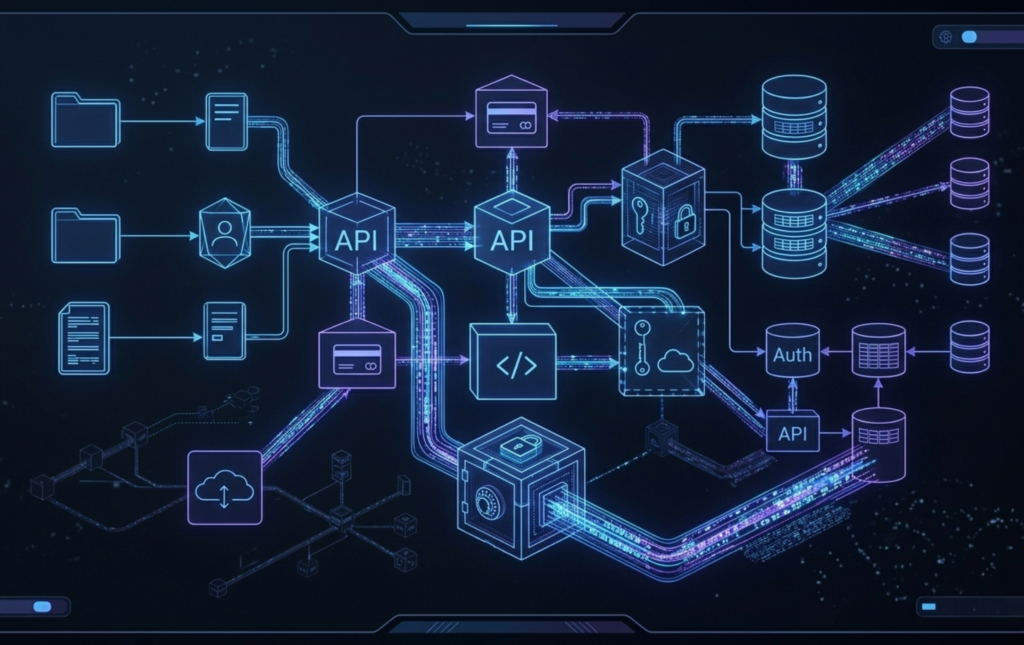
What is Custom Software Development?
Custom software development is the process of designing, building, and deploying software tailored to a specific business or organization.
It focuses on:
- Meeting unique business requirements
- Improving operational workflows
- Ensuring scalability and flexibility
- Integrating with existing systems
Custom Software vs Off-the-Shelf Solutions
Custom Software: Built specifically for your business needs, offering flexibility and scalability
Off-the-Shelf Software: Ready-made solutions designed for a broad audience with limited customization
While off-the-shelf tools may have lower upfront costs, custom solutions provide better long-term value and efficiency.
Key Benefits of Custom Software Development
- Tailored to your exact business processes
- Scalable as your business grows
- Enhanced security and data control
- Seamless integration with existing tools
- Improved productivity and efficiency
When Should You Choose Custom Software?
Complex Business Processes: When standard tools cannot meet your requirements
Scalability Needs: When your business is growing rapidly
Integration Requirements: When multiple systems need to work together
Competitive Advantage: When unique features can differentiate your business
Development Process
Step 1: Requirement Analysis
Understand business needs and define project scope.
Step 2: System Design
Create architecture and user experience design.
Step 3: Development
Build software using modern technologies and frameworks.
Step 4: Testing
Ensure quality, performance, and security.
Step 5: Deployment and Support
Launch and maintain the system for long-term success.
Common Challenges and Solutions
Higher Initial Cost: Focus on long-term ROI instead of short-term savings
Development Time: Use agile methodology for faster delivery
Requirement Changes: Maintain flexible and iterative development cycles
Future Trends in Custom Software
- AI-powered applications
- Cloud-native software development
- Low-code and no-code integration
- Enhanced cybersecurity practices
Conclusion
Custom software development offers businesses the flexibility and scalability needed to stay competitive. While it requires a higher initial investment, the long-term benefits far outweigh the costs.